Mom and Baby Frogs: An Embroidery Design Review
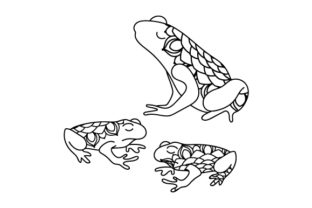
When evaluating a new machine embroidery design for potential inclusion in a commercial catalog or a custom client project, my first question is always about emotional resonance. Technical perfection matters, but if the artwork does not evoke a feeling, it will not sell. Upon reviewing the Mom and Baby Frogs design, the immediate impression is one of gentle nostalgia and organic warmth. While this file is categorized under Mandalas and Crafts, the visual personality leans heavily into illustrative storytelling rather than rigid geometric repetition. The relationship between the larger maternal figure and the smaller offspring creates a natural focal point that feels protective and tender. For an embroidery designer or small business owner, this specific mood dictates where the design will succeed and where it might struggle.
Translating Digital Vectors to Stitched Reality
The provided assets include SVG, Transparent PNG, EPS, and DXF formats. As any experienced digitizer knows, these are primarily vector and raster graphic formats, not native embroidery files like PES or DST. This distinction is critical for crafters and Etsy sellers. Before this can become a finished product, the artwork must be properly digitized. This is actually an advantage for professional shops because it allows you to customize the stitch density and texture to match your specific inventory. When I look at the clean lines of the SVG file, I see excellent potential for a combination of techniques. The outer contours would translate beautifully into a smooth satin stitch, providing a polished border that defines the shape against the fabric. However, the internal details of the frogs should be approached with caution; too much dense fill stitch here could make a lightweight garment heavy and stiff.
I envision this design performing exceptionally well as an applique design. By using fabric pieces for the main bodies of the mom and baby frogs and reserving thread only for facial features and limb definition, you maintain a soft hand feel. This is non-negotiable for baby embroidery projects. A dense, fully stitched mandala-style frog on a onesie is uncomfortable against sensitive skin. An applique approach preserves the charm of the artwork while ensuring the handmade product remains functional and wearable. For those creating digital assets or printable mockups to test market demand before digitizing, the high-resolution transparent PNG serves as an excellent placeholder to gauge customer interest on social media or listing previews.
Real-World Application: The Custom Tote Bag Scenario
To truly judge the viability of Mom and Baby Frogs, I mentally placed it onto a canvas tote bag intended for a spring boutique collection. Tote bags offer a stable, woven surface that handles embroidery well, making them ideal for testing new artwork. In this scenario, the design acts as more than just decoration; it becomes a branding element for a nature-themed shop. The circular, mandala-inspired layout centers perfectly on a standard tote, avoiding the awkward empty space that sometimes plagues irregularly shaped designs.
However, practical execution requires foresight. Canvas has a distinct fabric texture that can swallow fine details. If I were stitching this out, I would increase the column width of any outline stitches to ensure they remain visible over the weave. I would also select thread colors that offer high contrast against the natural beige of the canvas. Muted greens might look sophisticated on screen but disappear on unbleached cotton. Vibrant sage or deep forest green threads would provide the necessary pop. Furthermore, because totes are utilitarian items subject to wear, the connection points between the mom and baby elements must be secure. Floating elements in an embroidery file are prone to snagging; ensuring the design has continuous running stitch underlays connecting all parts adds structural integrity to the final piece.
Navigating Fabric Limitations and Hoop Constraints
While the design shows promise for sturdy goods, it demands careful handling when applied to apparel. Sweatshirt embroidery is a popular application for this type of whimsical art, yet fleece and french terry present challenges. The pile of sweatshirt fabric can push up through satin stitches, causing the "frog" outlines to look ragged. Using a water-soluble topping stabilizer is mandatory here to keep the stitches crisp. Additionally, consider the hoop size relative to the garment area. Placing a large, dense version of Mom and Baby Frogs on the chest of a youth-sized sweatshirt can cause tunneling or puckering around the design perimeter. Scaling the design down or reducing the overall stitch count through intelligent digitizing is often better than forcing a large format onto a small garment.
Stretchy fabrics like jersey knits require even more vigilance. If you are producing custom apparel such as t-shirts, the design’s stability depends entirely on your stabilization method. A cut-away stabilizer is essential to prevent distortion during washing. I would advise against using this specific artwork on curved surfaces like caps unless it has been specifically redigitized for cylindrical framing. The flat, mandala-like symmetry of Mom and Baby Frogs fights against the curve of a hat brim, leading to registration errors where the baby frog might shift away from the mother. Stick to flat embroidery fields for the best results.
Commercial Viability and Customer Perception
For Etsy sellers and creative entrepreneurs, the value of an embroidery project lies in its perceived quality and uniqueness. Mom and Baby Frogs taps into the evergreen nursery and cottagecore aesthetics that drive significant sales in the handmade sector. However, customers are increasingly discerning. They can distinguish between a generic clip-art stitch-out and a thoughtfully executed piece of fiber art. To elevate this design above competitors, focus on presentation. Use the transparent PNG to create realistic printable mockup images that show the design on actual products rather than floating in white space. This helps buyers visualize the scale and placement.
Trust is built through consistency. If you sell this as part of a broader collection of nature-themed crafts, ensure the stitch style matches your other listings. Mixing heavy fill stitches in one design with light line work in another creates a disjointed brand experience. Also, verify your licensing rights. Since the source files are vectors, confirm whether you have permission to sell the digitized embroidery file itself or only the physical finished products. Many designers allow commercial use of the physical item but restrict the resale of the digital embroidery file. Clarifying this protects your shop from infringement claims and builds professional credibility with your audience.
Essential Pre-Production Checklist for Makers
Before committing Mom and Baby Frogs to a production run or a personalized gift order, run through this practical evaluation list:
- Test Stitch on Scrap: Never assume settings transfer perfectly between fabrics. Test on a scrap of the exact material you intend to use, including the same stabilizer and topping combination.
- Evaluate Contrast: Photograph your test stitch in natural light. Does the design read clearly? Adjust thread colors if the values are too similar to the background fabric.
- Check Small Details: Inspect the eyes and mouth areas after stitching. Are they legible? If tiny satin stitches sink into the fabric, edit the file to increase their size or switch to a different stitch type.
- Wash Test: For items like tea towels or baby blankets, wash and dry the sample. Check for shrinkage, thread bleeding, or stabilizer residue. A beautiful design that ruins after one wash destroys customer trust.
- Mockup Validation: Compare your digital mockup against the physical sample. Ensure the online representation accurately reflects the texture and sheen of the actual embroidery to avoid returns due to unmet expectations.
- Licensing Confirmation: Re-read the terms associated with the SVG/EPS purchase. Document your right to use the artwork for commercial embroidery to safeguard your business assets.
Ultimately, Mom and Baby Frogs offers a versatile foundation for makers who understand the translation process from screen to needle. It is not merely a graphic to be auto-digitized and forgotten; it is a prompt for creative problem-solving regarding texture, weight, and emotional connection. By respecting the technical requirements of the medium and aligning the design’s inherent gentleness with appropriate substrates, you can transform these vector lines into cherished keepsakes and profitable merchandise. Whether used for a holiday gift, a boutique staple, or a personalized baby shower present, success comes from treating the design as a collaborative partner in your craftsmanship rather than just another file in the folder.